
Introduction
In today’s retail and export supply chains, even a small labelling error can lead to significant operational challenges. An unreadable barcode on a product or shipping carton can result in warehouse delays, inventory mismatches, shipment rejection, and retailer compliance issues.
For manufacturers, exporters, importers, and retailers, barcode accuracy is essential to ensure smooth logistics, efficient inventory management, and seamless product movement throughout the supply chain. That is why barcode scanning verification has become an important part of professional quality control procedures.
At RSJ Inspection Services, barcode verification is performed during pre-shipment inspections to confirm that product labels and shipping marks meet buyer requirements before goods are dispatched.
What Is a Barcode Scanning Test?
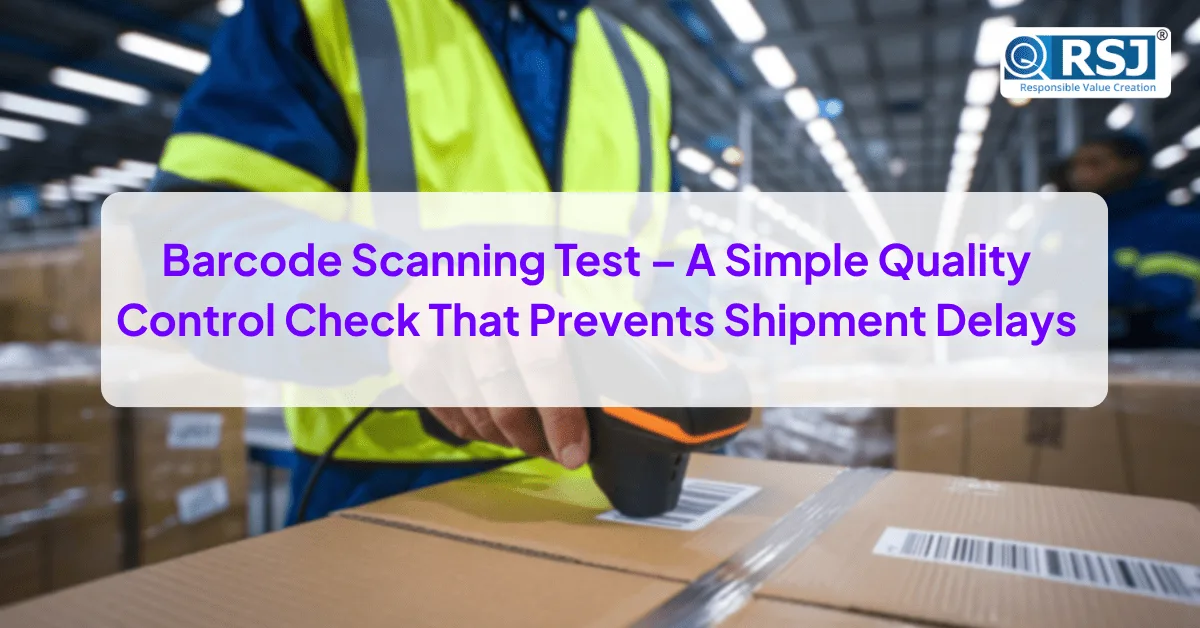
A barcode scanning test is a quality control process used to verify that product and carton barcodes are readable, accurate, and correctly printed.
During inspection, quality Engineer use barcode scanners or mobile scanning applications to confirm that each barcode:
- Scans successfully
- Matches approved product information
- Is clearly printed
- Is free from smudging, fading, or damage
Quality Engineer’s also verify carton labels and shipping marks to ensure they are consistent with packing details, purchase orders, and buyer specifications.
Why Barcode Accuracy Matters
Barcodes are essential for modern supply chain operations. They support:
- Product identification
- Inventory management
- Warehouse receiving
- Shipping verification
- Retail checkout operations
If a barcode cannot be scanned correctly, warehouse systems may reject the shipment or require manual processing. In large retail operations, even a minor barcode issue can disrupt inventory handling, delay product movement, and increase operational costs.
Reliable barcode verification helps businesses maintain supply chain accuracy before products leave the factory.
How the Barcode Verification Process Works
Random Sample Selection
Quality Engineer’s select random samples from the shipment lot for barcode testing. Random sampling helps verify that barcode quality is consistent throughout the production batch.
Barcode Readability Check
Using barcode scanners or mobile applications, Engineer’s verify that labels scan correctly and contain accurate product information.
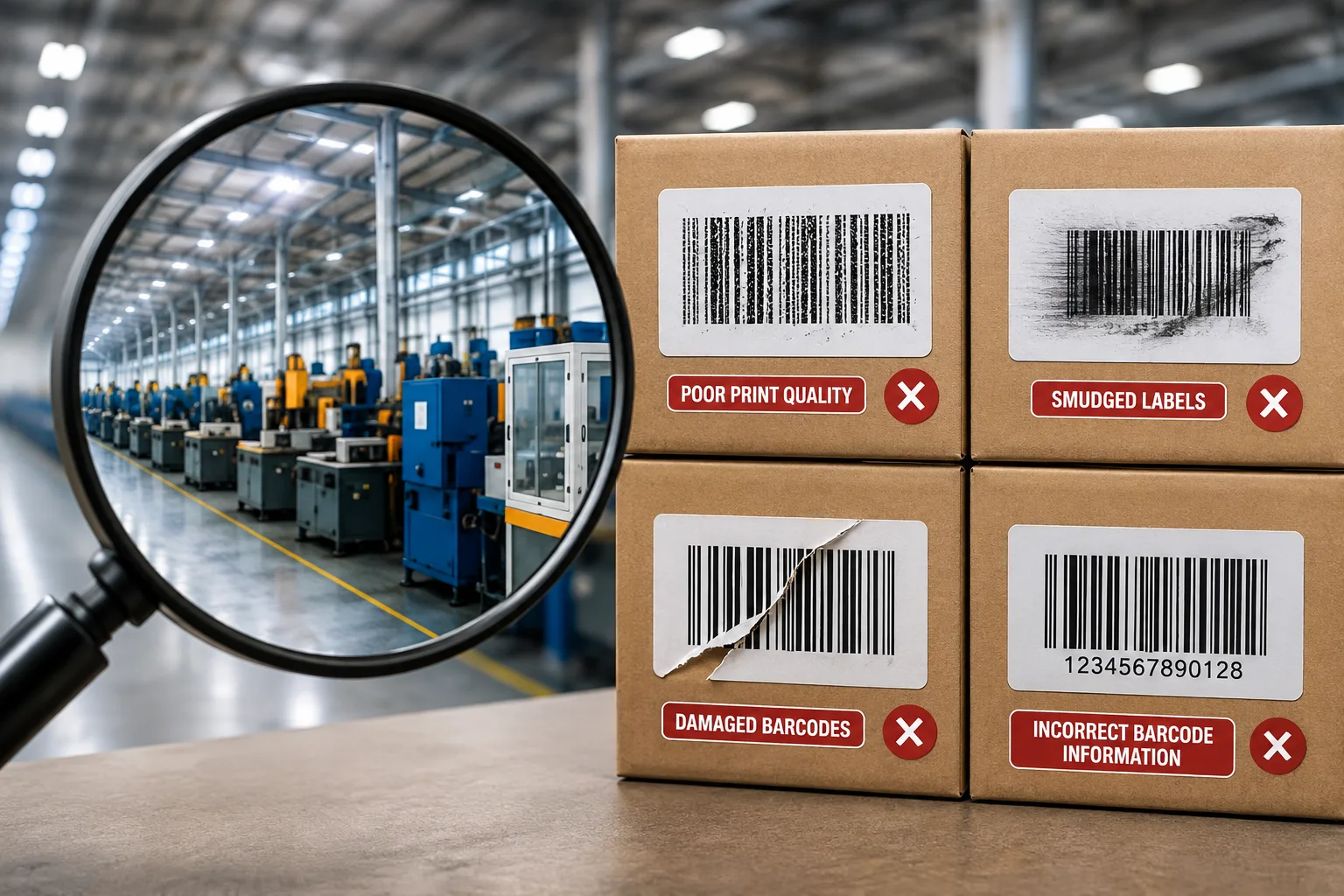
This inspection also checks for:
- Poor print quality
- Smudged labels
- Damaged barcodes
- Incorrect barcode information
Carton Label Verification
Quality Engineer’s review carton labels and shipping marks to ensure they match packing information and buyer requirements. This helps reduce packaging errors and warehouse receiving issues.
Inspection Reporting
Any barcode-related issues identified during inspection are documented in the inspection report, allowing manufacturers to take corrective action before shipment approval.
Common Barcode Problems Found During Inspection
Barcode verification frequently identifies issues that may otherwise remain unnoticed until products reach warehouses or retailers.
Unreadable Barcode Printing
Low-quality printing, faded ink, or poor label application may prevent successful barcode scanning.
Incorrect Barcode Information
The barcode may contain incorrect SKU numbers, product details, or other inaccurate information.
Damaged Labels
Moisture, friction, improper handling, or transportation can damage labels and reduce barcode readability.
Incorrect Carton Labels
Cartons may display incorrect product information, shipping marks, or packing details that do not match buyer requirements.
Product and Carton Barcode Mismatch
Differences between product labels and carton labels can create inventory confusion during warehouse processing and distribution.
Why It Matters
A proper barcode scanning test helps businesses:
- Reduce shipment delays
- Minimize retailer rejection risks
- Improve warehouse processing efficiency
- Prevent inventory discrepancies
- Strengthen packaging accuracy
- Improve supply chain reliability
- Support smoother logistics operations
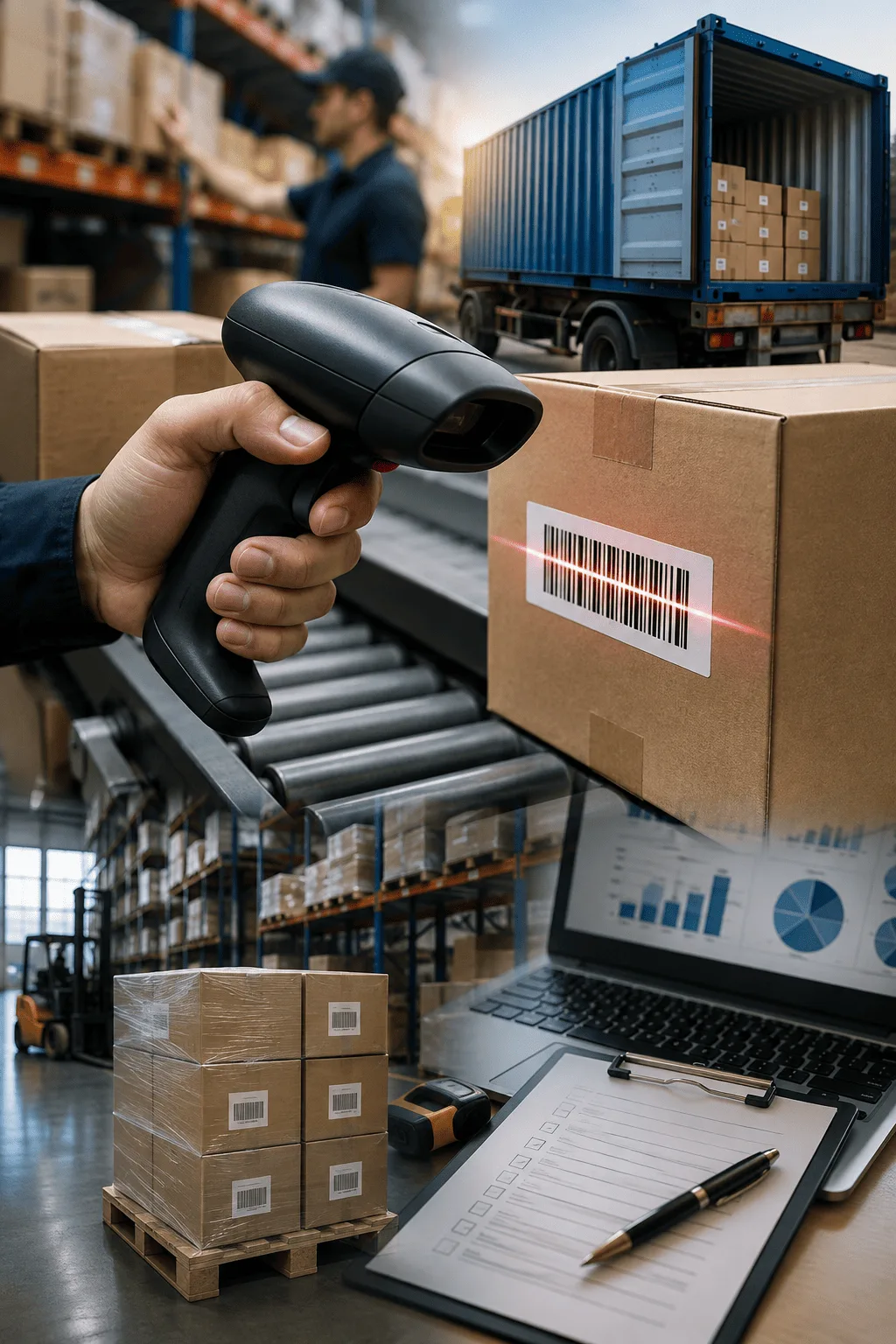
For importers, manufacturers, exporters, and retailers, barcode compliance is an important part of maintaining operational efficiency and customer satisfaction.
Conclusion
A barcode may appear to be a small packaging detail, but it plays a critical role in logistics, inventory management, and warehouse operations. A simple barcode scanning test helps businesses identify labelling issues before shipment, reducing the risk of shipment delays, inventory mismatches, and retailer compliance problems.
As part of professional quality inspection services, barcode verification supports accurate product identification, efficient warehouse processing, and reliable supply chain performance.
If you need dependable pre-shipment inspection or barcode verification support, RSJ Inspection Services can help ensure your shipments meet buyer requirements before dispatch.
Contact Us | RSJ Inspection